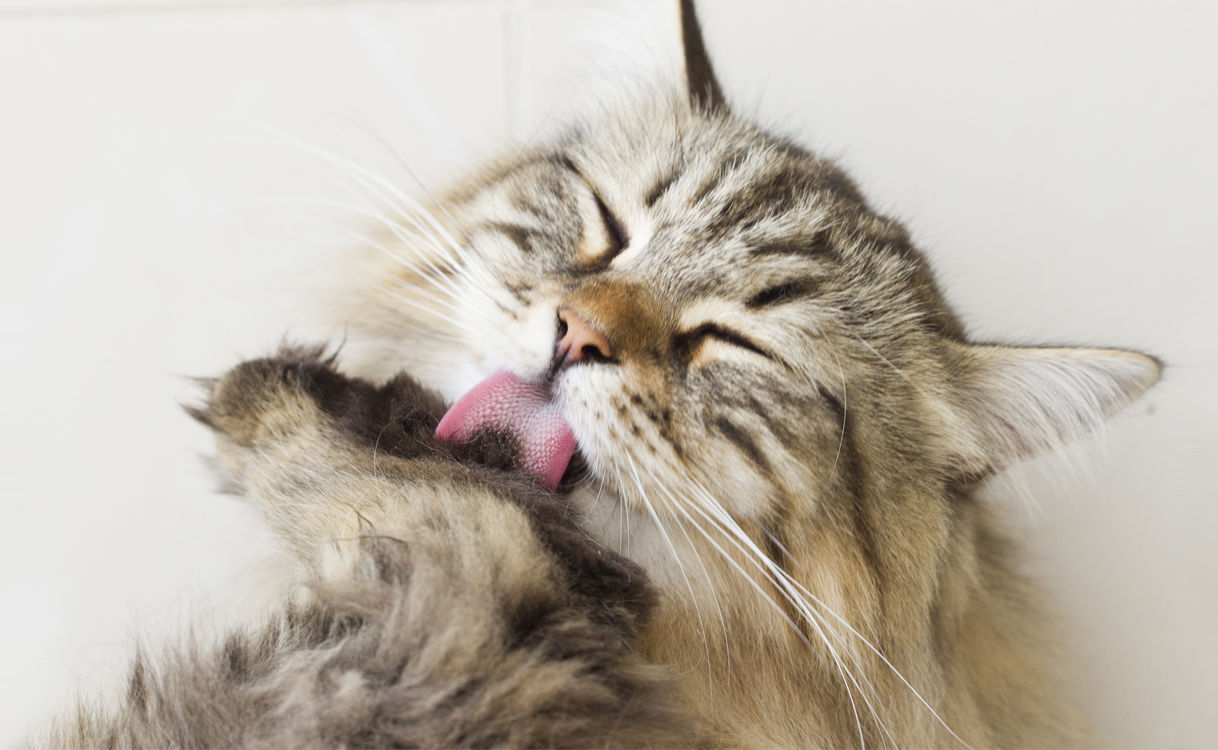
Itchy skin is another of the most common reasons Everyday Pet Insurance from Woolworths customers choose to use VetAssist.
So why is my pet itchy? Itchy skin is really just a symptom and can be the result of many underlying causes. Once we find the cause of the itchy skin we can reach the best treatment plan for your pet. Sometimes with skin, finding the cause isn’t always easy and can take a bit of detective work.
Some of the more common underlying causes of itchy skin include:
- Allergies
We know that when humans have allergies to pollen, they react by sneezing or getting watery eyes. In dogs and cats, the common reaction to an allergen is that their skin gets itchy. Allergens that can cause itchy skin include foods, fleas and environmental pollens – either breathed in or physically touched e.g plants, chemicals, shampoos. Regardless of the cause, the allergen can cause the skin to react in the same way – starting with an itch. - Mites
There are two major causes of mites called Demodex and Sarcoptes. Your local Vet needs to do some simple tests to diagnose these, a few skin scrapes are performed (no anaesthetic needed) and then the sample is examined under the microscope, searching for the mites. - Infection e.g bacteria and yeast
Skin infections are itchy, they are also commonly secondary to an underlying skin allergy or irritation. - Direct irritant
This includes items such as a topical cream, shampoo, plant or insect bite.
What do you do if your pet is suddenly itchy?
A cool bath to remove any allergens and wash in soothing dog oatmeal shampoo (see below) would be helpful, as well as an appropriate pet leave on conditioner. But, if the itch is escalating they will need some medication to help.
Your longer term anti-itch approach
1. Flea control
It’s important to use an effective flea product regularly. Pets with any type of allergy are also highly likely to be allergic to a flea bite as well. A single flea bite can cause itchy skin.
2. Oatmeal shampoos for relief
Regular bathing with colloidal oatmeal shampoos and conditioners are very effective for itchy canines. Please make sure they’re the ones specifically for pets and not humans. We have a different skin pH, so human products just aren’t appropriate.
3. Omega fatty acids in foods
These are a natural anti-inflammatory for the skin and will help relieve your itchy companion. Make sure it’s a part of a healthy, balanced diet. If a food allergy is a suspected cause, your Vet will want to perform a food trial for this.
4. Physical removal weeds or barriers to access
Weeds such as Trad (or Tradescantia albiflora) is a ground cover and also a major cause of contact allergy for pets – it’s very difficult to remove as it keeps growing back, so you’ll need to be vigilant. Avoidance of contact is needed.
5. Care of environment
Wash floors in hot water (avoid chemicals) and bedding in an enzymatic cleaner ie Biozet.
6. Regular monitoring
Daily skin checks and if there are scabs presents, hair loss or if the itch is getting worse a hands on check and appropriate treatment is needed from your local Vet.
When should I go to the Vet?
If your pet is uncomfortably scratching, if they have hair loss, or scabs and sores on their skin, you will need to go to your local Vet clinic as soon as possible. They’ll perform some initial tests to move towards a diagnosis so that the most appropriate treatment can be started.
